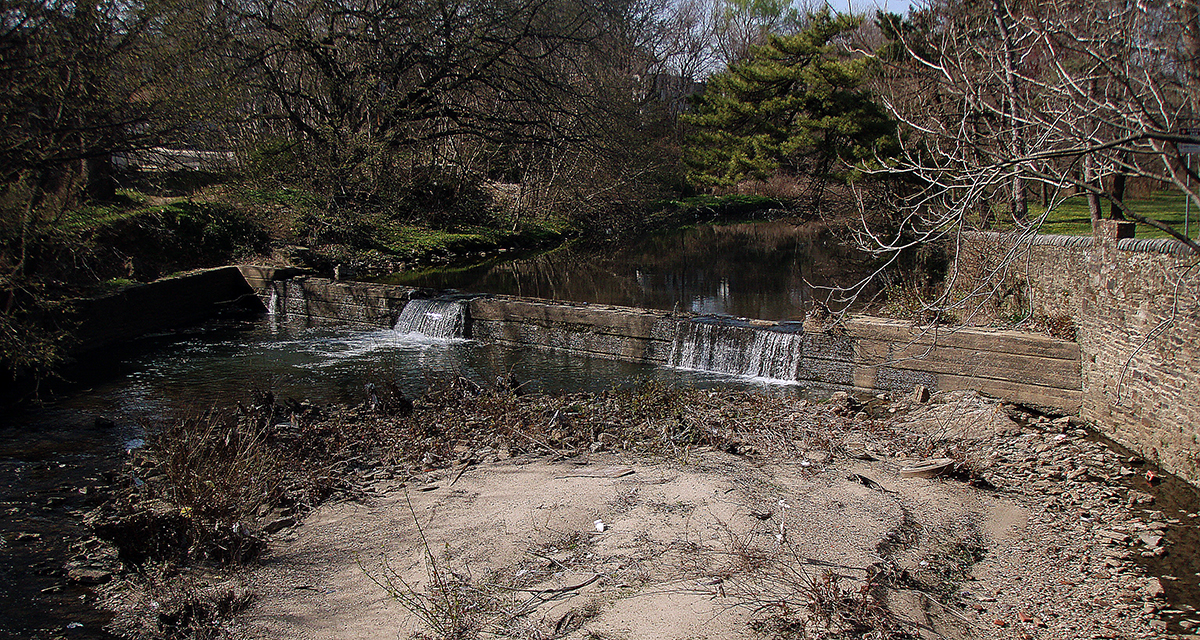
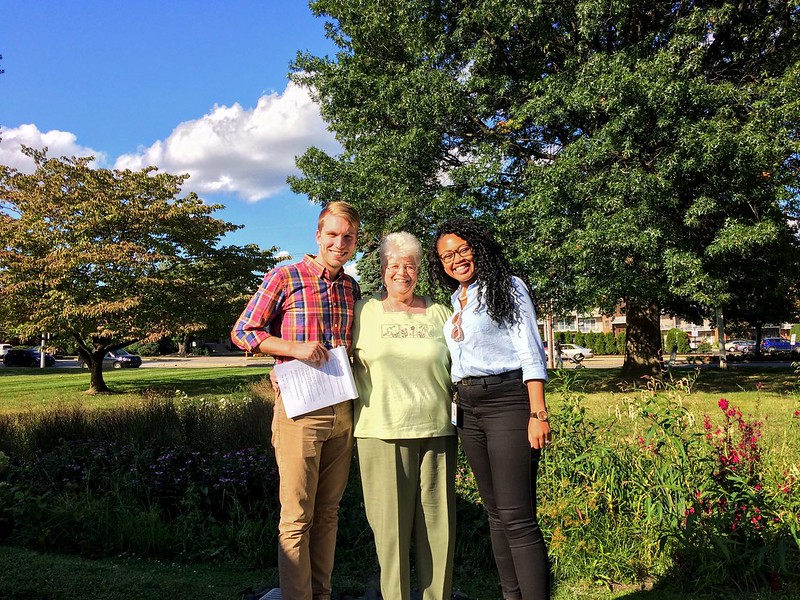
Learn how stream restoration is helping Pennypack Park thrive — protecting our water systems, reducing erosion, and supporting wildlife.
Residents may have seen construction crews working around Pennypack Park in the Northeast recently. The Philadelphia Water Department (PWD) has two new ecological restoration projects taking place in the park:
- Benton Brook Sewer Protection and Stream Restoration (PWD Project #50254)
- Sandy Run Sewer and Stream Restoration (PWD Project #50225)
Construction in Pennypack Park
The two projects are just a few miles apart within Pennypack Park.
Project #50254, Benton Brook Sewer Protection and Stream Restoration, started in August 2025.

Residents will see equipment accessing the site along Benton Brook in two locations:
- Evarts St. between Benton Ave. and Castor Ave.
- Large St. between Bergen St. and Castor Ave.
For any questions about the Benton Brook project, contact Eric Stales.
Updating Sewers for a Healthier System
The goal for the project is to replace the outdated sewer system under the creek. A modern sewer will enhance the flow and accommodate future needs.
“By removing invasive species, like bamboo, and reintroducing native plants, the project’s vision is to restore the stream to a more natural setting,” said Eric Stales, PWD Inspector on Project #50254. “Once the plants mature, the area will blend seamlessly into the landscape. It will appear as if the restoration work was never there — just a healthy, thriving habitat.”
Project #50225, Sandy Run Sewer Protection and Stream Restoration, started in September 2025.

The work along Sandy Run will restore streams while protecting important PWD infrastructure. When entering the park from Ryan Ave. and Sandyford Ave, residents will see equipment accessing the site along Sandy Run.
Some of the area improvements include:
- Replacing aging sewer pipes
- Repairing manholes to make the system stronger and more reliable
- Reconnecting the stream to its floodplain, which helps create a healthier, more stable habitat for plants and wildlife
Beyond the stream, the work will also improve the surrounding trail, making the park an even better place for the community to explore and enjoy.
Ecological Restoration Projects Help Improve Water Quality
Over time, the natural flow of streams has changed, causing damage to the surrounding lands. Damage to the area can look like:
- Erosion of streambanks
- Loss of native plants and habitats
- Exposed underground infrastructure
- Increased flooding
- Water quality issues
PWD is restoring local streams to protect these natural resources and improve our neighborhoods. These projects will replace aging sewers, reduce erosion, and reconnect the streams to existing floodplains.
These improvements will help wildlife thrive and make parks safer and more enjoyable for everyone.
Reducing erosion and creating healthier upstream habitats can also improve the quality of the water that is flowing into the Delaware River downstream.
Planning Ecological Restoration Projects
Planning begins well before construction, with PWD staff engaging local residents to gather feedback and share project information.
Throughout the process, our team of engineers and scientists works carefully to minimize environmental impact while enhancing the natural landscape.
If you want to learn more about PWD Ecological Restoration, visit PWD’s Ecological Restoration projects page, where we discuss our vision. You’ll also find more information on the importance of stable waterways, asset protection, resilient riparian habitat, and healthy streams.
Other Restoration Projects
Other projects are happening all over the City to repair our natural lands. Learn more: