It’s a name that doesn’t exactly grab your attention – it isn’t flashy and it doesn’t imply a high-stakes endeavor. But if the Philadelphia Water Department’s drinking water system had a heart, it would be the Load Control unit, hands down.
Every day, this engineering-focused crew, part of our Operations Division’s Water Conveyance branch, helps move hundreds of millions of gallons of fresh, untreated water from our rivers to our three treatment plants.
Once the water is filtered and treated to standards that meet or exceed state and federal health standards, Load Control sends it out across a truly vast network: pumping stations, reservoirs, tanks, flow control valves, water mains under the street and, finally, your water service line and plumbing.
To give you a sense of the magnitude of the Load Control Unit’s work, if you connected all 3,200-plus miles of Philadelphia’s water mains end-to-end, you could serve the fine folks in Madrid, the capital of Spain, some of that tasty Schuylkill Punch.
In short, Load Control ensures treatment plants get water to treat, and you get that high-quality Philly tap every time you flip on the kitchen faucet, 24/7, 365 days a year.
This Herculean work is only possible because of four core Load Control Unit squads:
-
Operations Squad:
Responsible for planning day-to-day operations, emergency scenario planning, and preparedness.
Ops Squad is tasked with coordinating with the water treatment plants, Distribution (the water main network), Pumping, Construction and other units to facilitate projects and ensure water is always flowing to our sinks, toilets, hydrants, sprinklers and more.
This squad also has the receipts: they compile daily, monthly and annual reports that contain hydraulic data that is highly valuable and used in many aspects of the Department’s work.
-
Systems & Special Projects Squad:
Responsible for maintaining the corrosion control system and the Supervisory Control And Data Acquisition (SCADA) system.
Corrosion control systems protect water mains from conditions that can eat away at the metal our water mains are made from, potentially causing catastrophic failure of the main. These water main breaks can damage property, close roads, and leave people without water, making the work of corrosion control essential. Getting the longest life possible out of our mains through corrosion control is just one example of the things we do honor the money that comes to us through water bills – we want every nickel to go as far as it can.
The SCADA system monitors and controls the entire distribution network, allowing one person to do the job of what use to be many.
Bonus Squad!
The Electronics & Instrumentation Squad – a Squad within the SSP Squad – maintains sensors and telemetry devices that gather data about the distribution system and control it.
-
Hydraulic Modeling & Analysis Squad:
Tasked with running hydraulic simulations using the City’s raw (untreated) and potable (treated) hydraulic model.
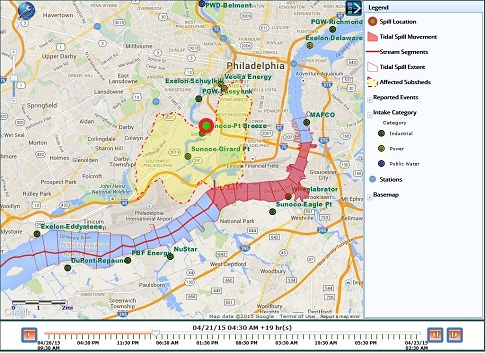
This squad will take that model and see what happens when they play out all sorts of scenarios. The what-ifs can range from day-to-day operational tweaks, like using one storage tank over another, to emergency planning and response – helping us learn ahead of time what options we have should there be a chemical spill or other catastrophe. The types of scenarios that this Squad runs allows Operations to minimize risk by checking how the distribution system will react to large and small changes.
In addition, the Hydraulic Modeling & Analysis Squad is responsible for keeping the model up to date based on the latest mapping data available. This team will also be instrumental in a complete rebuild of the model, work that is taking place alongside a consultant.
-
Hydraulic Investigations Squad:
Ensures all water quality and water pressure abnormalities are thoroughly investigated and resolved within a timely manner.
The detectives of Load Control, they work with Operations and the Hydraulic Modeling Analysis Squad to track down recent changes in the system, as well as likely causes based on the hydraulic model. This squad works outdoors alongside PWD’s Distribution Unit to check valves to ensure elimination of any dead-ends in the system.
They are also responsible for performing hydrant flow tests for customers who request them.
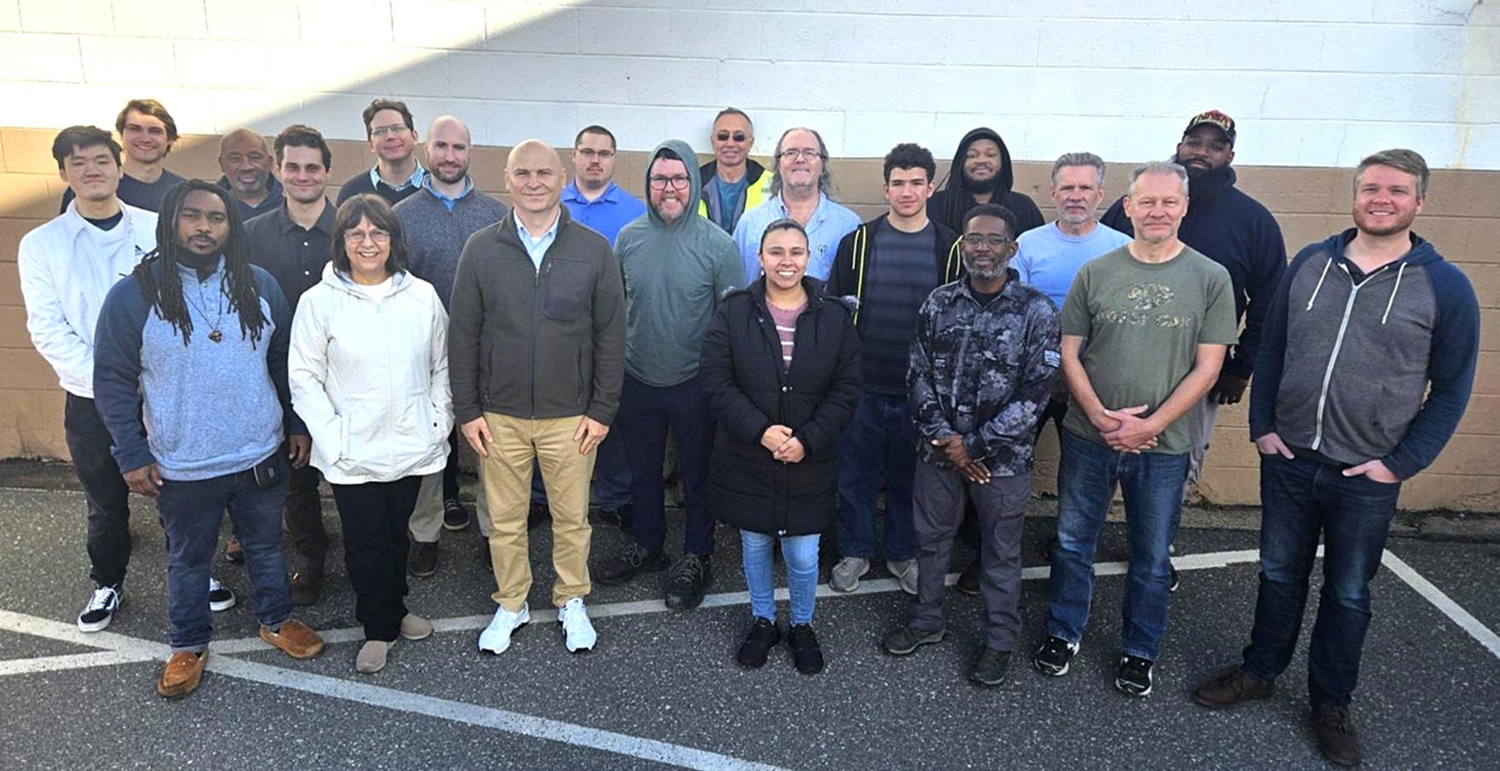
All of us at PWD have tremendous gratitude and respect for the wide range of critical work performed by Load Control. These are the Philadelphians making sure your drinking water is moving through infrastructure efficiently and that 1.6 million of their neighbors are continuing to receive high quality tap water at home.
Thank you, Load Control for the work that you do to keep drinking water flowing in the City of Philadelphia!
Enjoy this post?
Keep an eye out for more unit profiles as we explore the many jobs and teams behind the work of providing clean drinking water and protecting our rivers and streams – what we do at the Philadelphia Water Department.