To celebrate Asian-American/Pacific Islander (AAPI) Heritage Month, we are featuring several Philadelphia Water Department employees throughout the month of May. We asked them to talk about their work with PWD, how their heritage has shaped their life and work, and what AAPI Heritage means to them.
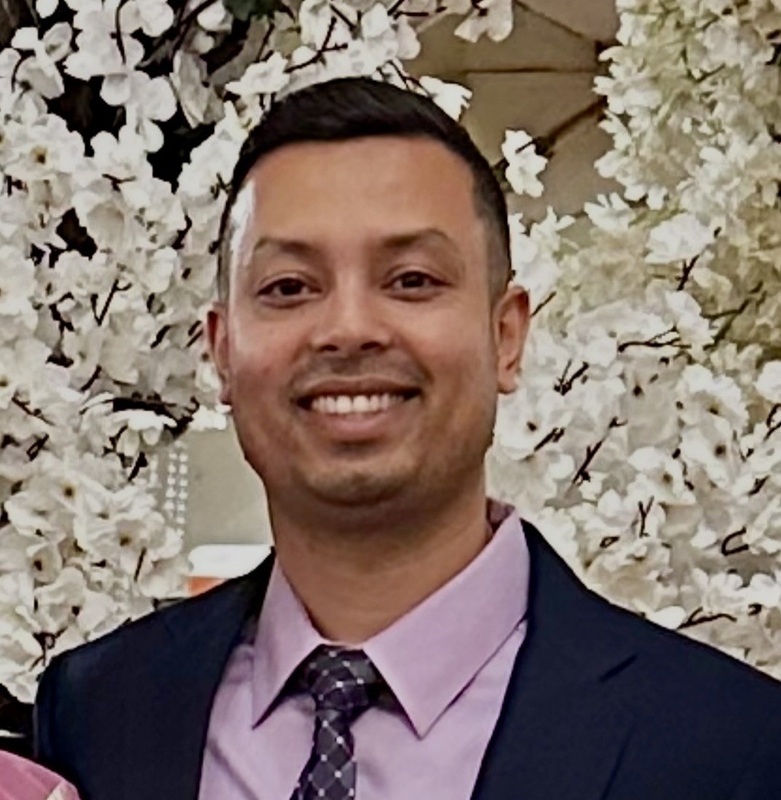
Hasib Ahmed
Bangladeshi-American
Plant Manager
Southeast Water Pollution Control Plant
11 years at PWD
What is your favorite thing about the work you do with PWD?
One of the most rewarding aspects of my work with PWD is tackling complex challenges while making a meaningful impact every day. Operating a 24/7 treatment facility means there’s always something to address, and I take pride in working with a dedicated team to keep things running reliably for our community. I’m proud to lead a diverse team of professionals committed to upholding high regulatory standards.
How has your heritage shaped the person you are today? Does it shape your work?
I was born in Bangladesh and moved to the U.S. at the age of 16. Having spent much of my life here, I feel a strong connection to both cultures. I’m proud of my Bangladeshi roots while also valuing my experiences growing up in Philadelphia. Living here without my parents, I stayed focused on school and my goals, which helped build resilience, adaptability, and an appreciation for different perspectives.
My heritage continues to shape how I approach my work. It reinforces values like responsibility, hard work, and service to the community, helping me stay grounded and committed to making a real impact.
Does your family have any cultural traditions or practices that are especially important to you?
Yes—food is a big part of how I stay connected to my culture, and I also love cricket, which is a sport I still follow closely. Beyond that, we stay connected through language, holidays, and family get-togethers.
I also really enjoy living in Philadelphia, a very diverse city. The growing Bangladeshi community in Northeast Philadelphia helps me stay connected to my roots while also allowing me to share my culture with my children.
Who are the role models or mentors that have influenced you or helped guide you?
One of the most influential people in my life was my high school English teacher, Mrs. Prysler. After learning I was living in the U.S. without my parents, she took a special interest in my development and really pushed me to think beyond my original plans.
At the time, I intended to finish high school and start working, but she encouraged me to take AP courses, apply to college, and aim higher. She supported me through the process, including writing my recommendation for Drexel University and continuing to check in to make sure I stayed on track.
Her guidance and belief in me made a lasting impact on my path, and I still carry those lessons with me today.
What does AAPI Heritage Month mean to you?
It’s a chance to reflect on the different paths people have taken, the challenges they’ve worked through, and how those experiences shape our workplaces and communities. It also gives me a moment to take pride in my Bangladeshi roots while recognizing the wider experiences and contributions across AAPI communities.
Favorite AAPI food?
I enjoy a variety of AAPI cuisines, including sushi, Pad Thai, and chicken tikka masala.