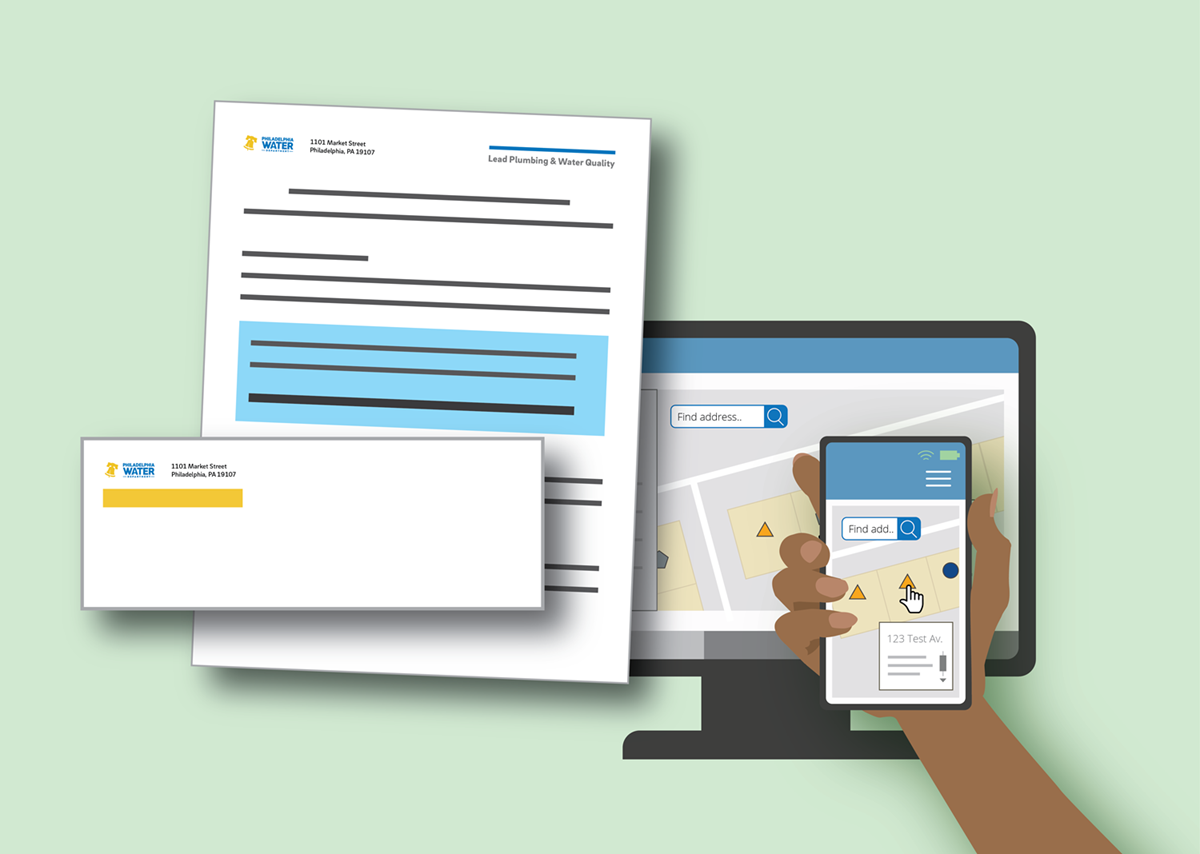
In December, you may have received a letter from us, sharing information about the material of your property’s water service line.
Though our tap water remains safe to drink, it may feel confusing – and even alarming – to receive this notification in the mail. Here’s the story behind these federally required communications.
Signed, sealed, delivered… but what about understood?
For the second year in a row, Philadelphia residents and property owners are receiving letters with records about their home plumbing.
This single envelope – and the pages inside it – represent a surprising amount of effort.

The reason these letters are so challenging? They are considered notifications, which are usually used to alert readers with new information. However, these notifications are about something that is actually very old: lead plumbing.
The letters, fact sheets, an online map, and related web pages explain why the materials matter. They offer guidance for what residents should do based on current records for their property. Plus, we include messages that are required by new regulations. It’s a lot of information. We know it can be a lot to digest. So, we set out to make some improvements.
Hearing and responding to your concerns
At PWD, we try to shape all of our communications according to what our audience’s needs. So, to improve this second annual round of letters, we gathered inputs and responses from Philadelphia residents.
In the last year, we’ve collected feedback on these communications. We spoke with outreach staff who connect with our communities in person and online. We heard more than 5,000 responses from our annual customer survey. All of this feedback was essential in guiding the work for the latest round of communications. Here are some of the ways we revised the communications:
- Making it clear in all letters that PWD is keeping water safe.
- Changing the phrase “Unknown Material” to “Incomplete Records” to be clearer and more accurate. (When people heard the phrase “unknown material,” many people incorrectly assumed it meant there was a mystery material.)
- Developing an easier process to request home water testing for lead.
- Updating the search function on the Service Line Material Map, making addresses easier to find.
- Expanding our FAQs, including adding guidance for Philadelphia’s renters: Frequently Asked Questions.
- Using readability tools to make language as accessible as possible to a wider range of reading level.
- Adding bold headings to each letter, like What you should do.
- Changes to regulations now allow us to use fewer points to categorize a service line. We now require records for two points along a line, not three.
Every city in the country is responding to this mandate
When you receive a letter like this, know that you’re not alone. Federal laws that went into effect last year require a letter to be sent to every household in the nation that is served by a water utility.
The law is rooted in something positive: raising awareness of how decades-old pipes connecting properties to water infrastructure can be potentially dangerous.
When our grandparents (and our great-great grandparents) were building our homes, they didn’t know that the pipes they were using could have an impact on the water that comes out of our taps.
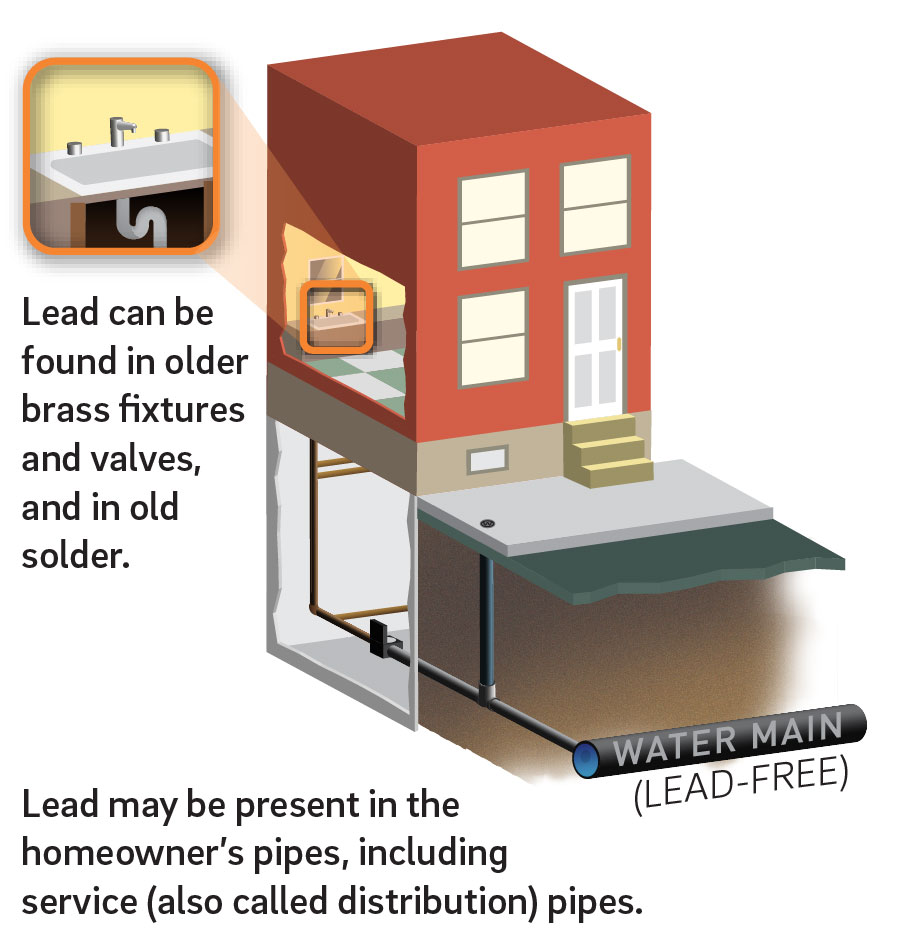
So even though the problem isn’t new, it is often misunderstood. These letters are intended to make hidden lead plumbing visible: The issue is complicated, representing decades of policy, history, development, and science.
If you’re looking for a few basics on this topic, learn more about our city’s history of protecting water.
One size doesn’t fit all

Every property in Philadelphia is unique. There are four different pipe materials (lead, galvanized metal, and non-lead, like plastic or copper) that have been used – and sometimes there are combinations. Which means there are multiple different versions of letters that residents might receive.
The majority of properties, about 350,000 of them, will receive a letter that says they have “incomplete records.” This is because a portion of that property’s service line is buried, and PWD doesn’t have a record for this piece of property yet. We know that receiving a notification that records are incomplete can be frustrating. We are following the requirements of the law. However, we still want these letters to be useful, so we’ve included instructions for properties with incomplete records, along with our most requested resources, in English and Spanish.
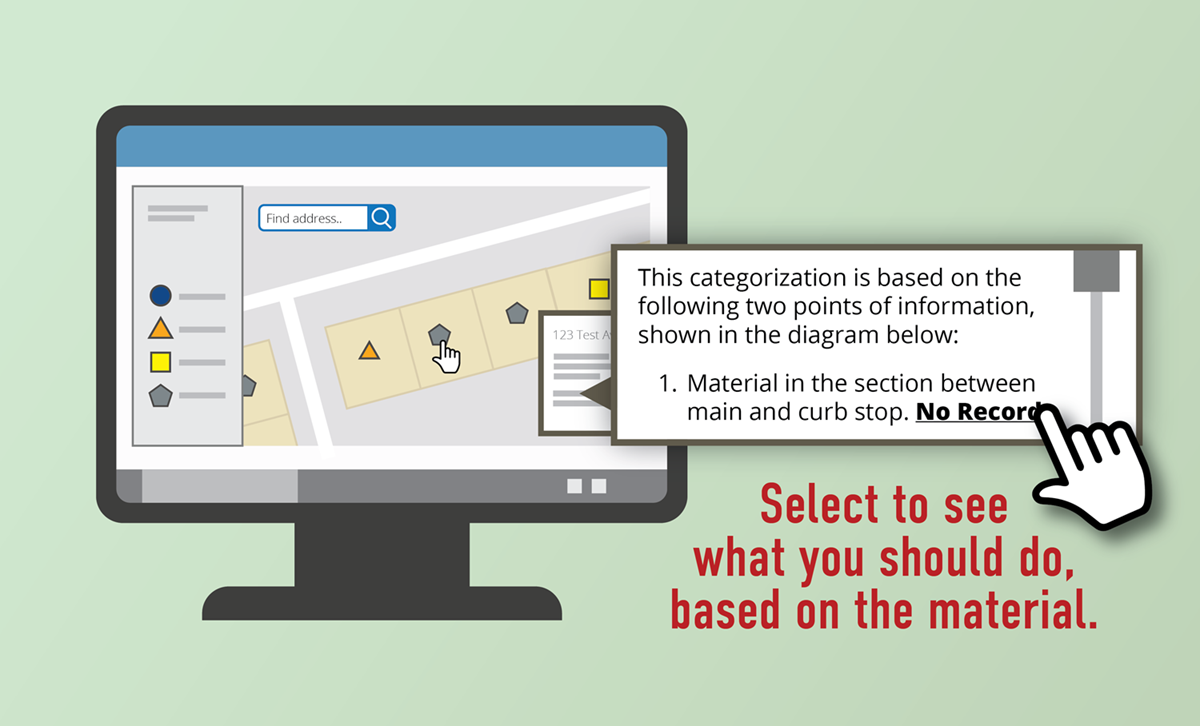
You can find more information about how service lines are categorized on PWD’s Service Line Material Map.
The takeaway: what should readers do?
Your next steps depend on your property. If you didn’t see or save your letter, the same information is saved for you on our interactive map. You can reference the latest information there.
- If your property has a non-lead (copper or plastic) service line, you won’t receive a letter, and there are no specific actions to take.
- Follow the instructions in the “What you should do…” section of your letter. Your instructions are based on your property’s records. Or, if you’re using our online map, select the material from your property’s pop-up box to see instructions for that material.
What you can do in the short term
Flush your pipes
Residents should regularly flush their pipes by running cold water from the tap for 3 to 5 minutes. You should do this whenever water hasn’t been used in 6 hours. We offer this guidance for every household as a good practice, but it’s especially important if you have lead or galvanized metal pipes.
Update the service line records for your property
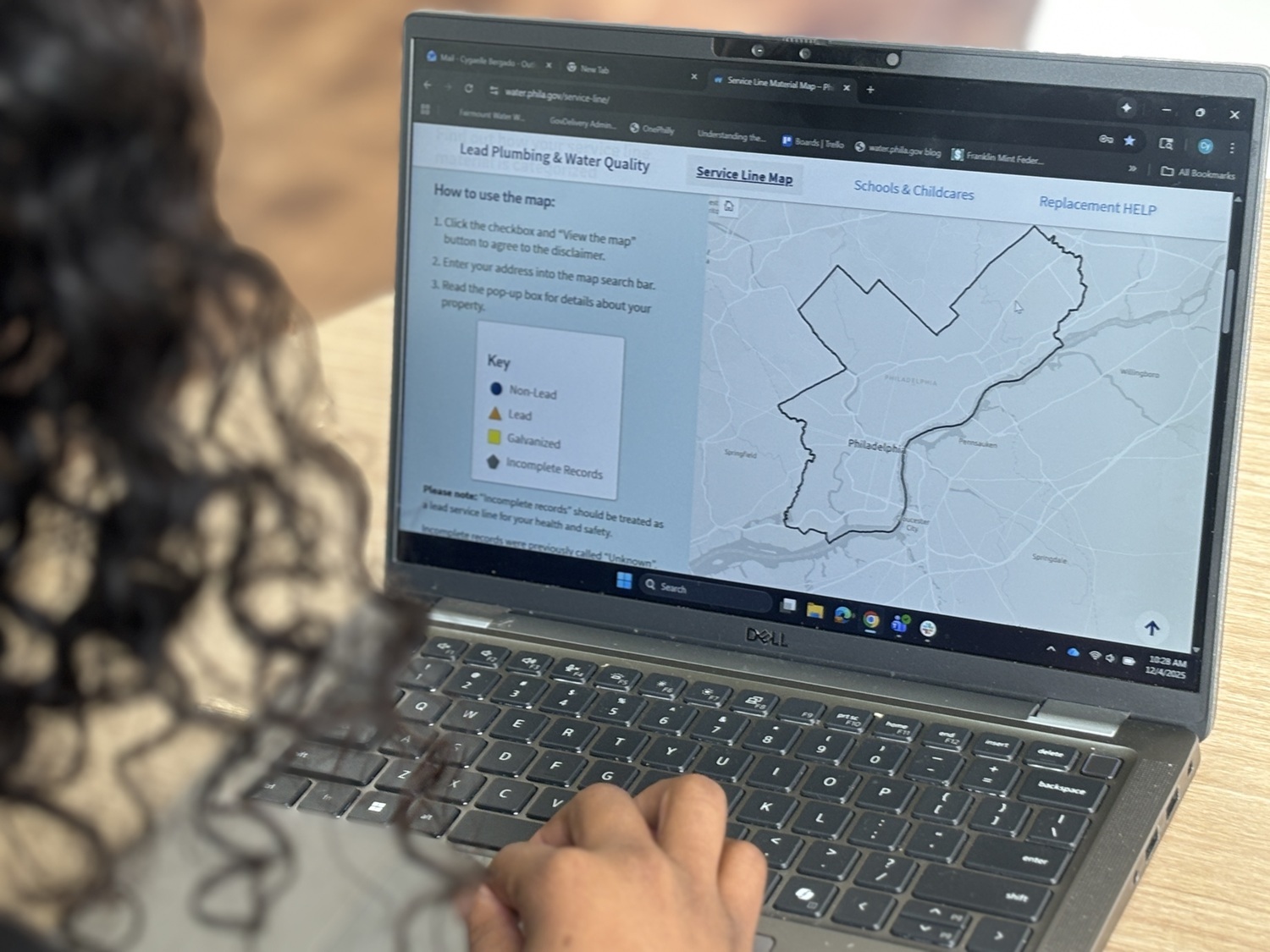
- Report missing or updated records: If you have a record we’re missing, or if your service line has been replaced recently by a private plumber, visit the Service Line Material Map page and choose “Report your service line material.”
- For a small percentage of properties, we are still missing records for material at the meter. If your property has no record between the curb and the meter, you can check that section yourself and report it back to us.
- Residents and property owners should periodically check the map to see if there are updates for their property. We may reach out to some customers requesting to check a section of their service line. If we reach out, please participate so we can update your property’s records.
PWD does not ask or recommend that property owners hire a plumber to dig up their service line to check the material.
What to do in the long term
For properties with lead or galvanized metal service lines:
- You can replace your service line by hiring a private plumber. See a list of licensed contractors.
- Apply for PWD’s zero-interest loan for customers interested in replacing a lead or galvanized service line. Learn more about the Homeowner’s Emergency Loan Program (HELP).
- Take advantage of replacing lead and galvanized service lines during PWD’s planned water main construction work. PWD notifies residents by letter several months before work is scheduled to begin. Customers must sign the permission form.
- Stay tuned: We’re currently planning other ways for customers to replace service lines made of lead or galvanized metal. If PWD offers to replace your line, take advantage and sign the permission form!
What if you have questions?
We understand each property has different needs and concerns. Here are four ways you can learn more:
- Look up your property on our online map. We include a link for actions to take based on each property’s records.
- Check our FAQs. We have information for different types of properties.
- Email us: ServiceLineMap@phila.gov or call (215) 685-6300.
- Sign up for our emails about Lead Plumbing. We help break down and explain important topics in each email.