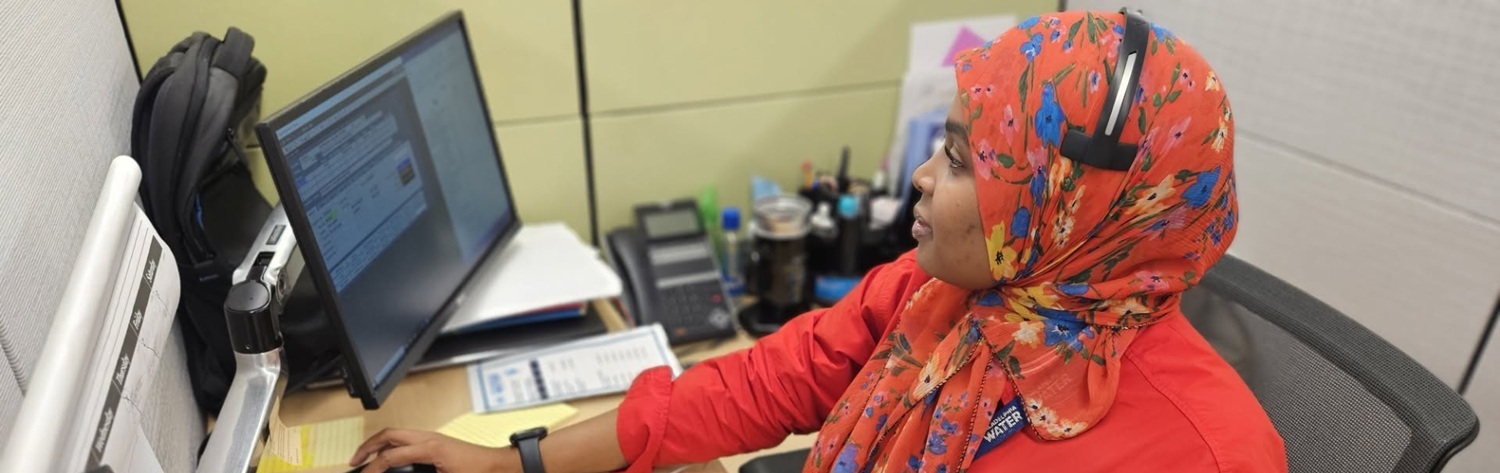
When customers call us, they’re often dealing with something urgent: a high bill, a water issue, or a service concern. That moment matters – and so does how we respond.
That’s why we’ve started asking a simple question after each call: How did we do?
Last summer, we launched a new customer experience survey in our Contact Center, in which we ask customers to share some quick feedback after speaking with a representative.
So far, thousands of customers have told us what’s working – and where we need to improve.
Co-created with the people who answer the phones
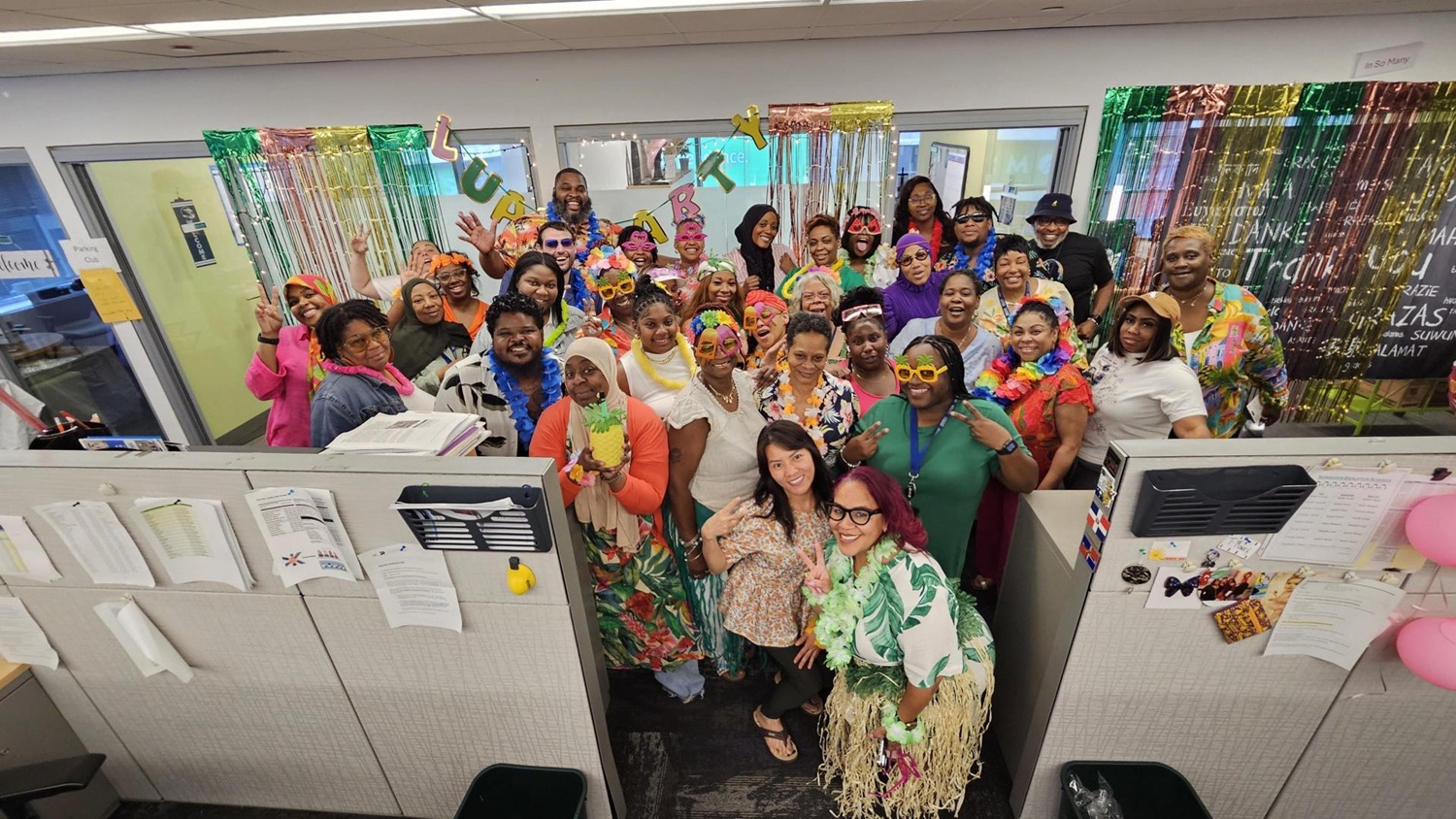
One thing that makes this survey different? It wasn’t just designed by researchers behind closed doors. Our Contact Center representatives – the people who speak with customers every day – worked with ImpactED researchers to design the survey.
“Our reps played a key role in the development of our after-call survey,” said Paul Fugazzotto, Assistant Deputy Commissioner. “Through workshops with ImpactED, they helped identify what mattered most, and after piloting the survey, they gave feedback that led us to revise the questions to better reflect real customer interactions.”
That collaboration made the survey more meaningful for those who are actually working directly with customers.
“When our team joined forces with ImpactED, we created more than a survey — we created a shared vision of what matters most to our customers. Together, we listen, learn, and shape a better way to serve the people who trust us every day.” — Pamela Adams, Assistant Manager, PWD Contact Center
What we heard
The survey is short: just a few questions about how helpful, respectful, and clear the interaction was. And while most customers say they had a positive experience, the results show that we’re not getting it right every time.
Here’s what we’ve learned so far from over 7,500 customers:
“Based on today’s call, please rate your experience with the Contact Center representative.”

- 81.6% of respondents said that their experience with the Contact Center representative was either “excellent” or “good.”
“Did the representative resolve your issue or direct you to the appropriate resource?”

- 79.8% said their issue was resolved or they received clear next steps. Resolution matters. And when it doesn’t happen on the first call, frustration can build.
“During today’s call, did you feel respected?”
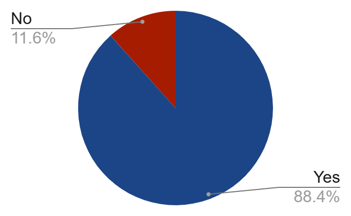
- 88.4% of customers felt the representative treated them respectfully. That’s good news — but it also means 11.6% didn’t feel that way. We can’t be satisfied until every customer feels heard.
Why this matters

The contact center is often our first – and sometimes our only – real conversation with a customer. It’s where trust is built (or broken). Hearing directly from the people we serve helps us do better, not just for the next call, but across the utility.
And just as we’re listening to customers, we’re also listening to the people doing the work.
“Our reps feel uplifted and empowered when positive survey results come in – each one is a reminder that their dedication creates real impact, and their efforts truly matter.” — Pamela Adams, Assistant Manager, PWD Contact Center
It was a way to create a feedback loop that includes the team – to help us learn and improve together.
What’s next
This feedback loop is helping us improve in real time. Based on what we’ve learned so far, we’re:
- Sharing results every month in the Contact Center, so staff can see how they’re doing and where to grow.
- Highlighting trends (like common confusion around bills or processes) and working with other departments to improve those systems.
- Building a system that will increase our efficiency and be more user-friendly.
More importantly, we’re making listening a part of the job. This survey isn’t a one-time thing – it’s now a regular part of our operations.
Your voices shape our work
Every customer’s voice matters. Whether the experience was great, frustrating, or somewhere in between, that feedback helps us improve how we serve you – and how we support the people answering your calls every day.
We’re not perfect. But we’re listening. And we’re committed to getting better, one conversation at a time.