About PWD

The Philadelphia Water Department (PWD) supplies drinking water, wastewater, and stormwater services to customers within the City of Philadelphia.

The Department also has one wholesale water contract and 10 wholesale wastewater contracts with entities outside the City.

PWD maintains a network of more than 3,100 miles of water mains, 3,700 miles of sewers, six treatment facilities, and 34 pumping stations.

Mission

PWD is a resilient utility. We provide reliable, safe drinking water, wastewater, and stormwater services to our community. We support public health and safety and protect our region’s environment.
Infrastructure Quick Facts

  • Our water service area is 130 square miles.
  • The most recent U.S Census data shows we serve an estimated 1.58 million people
  • The City obtains approximately 58% of its water from the Delaware River with the rest sourced from the Schuylkill River. We do not treat groundwater sources for drinking water. Visit the Drinking Water Quality page for our official Water Quality Reports.
  • The Samuel S. Baxter Plant is on the Delaware River. The Belmont plant is on the west side of the Schuylkill River, and the Queen Lane plants is on the east side.
  • As Partnership for Safe Water members, our combined maximum source water withdrawal capacity from the two rivers that supply these plants is 680 MGD.
  • Our storage and distribution system has a combined rated treatment capacity of 546 million gallons per day (MGD). That means we can store up to 546 million gallons of water treated to Partnership for Safe Water standards. 
  • This excess source water capacity enables us to draw more water from either source if conditions limit our ability to withdraw from one of the rivers.
  • The storage capacity for treated and untreated water in the combined plant and distribution system totals 950 million gallons.
  • The Philadelphia Water Department wastewater system consists of three Water Pollution Control Plants, 29 pumping stations, approximately 3,700 miles of sewers, and a privately managed centralized biosolids handling facility.
  • The three Water Pollution Control Plants have a combined average design capacity of 522 million gallons per day, and a peak capacity of over 1 billion gallons.
  • The wastewater system has effectively and significantly improved the water quality of the Delaware River watershed, thereby fostering both public and private development of the riverfront for commercial, residential, and recreational use.
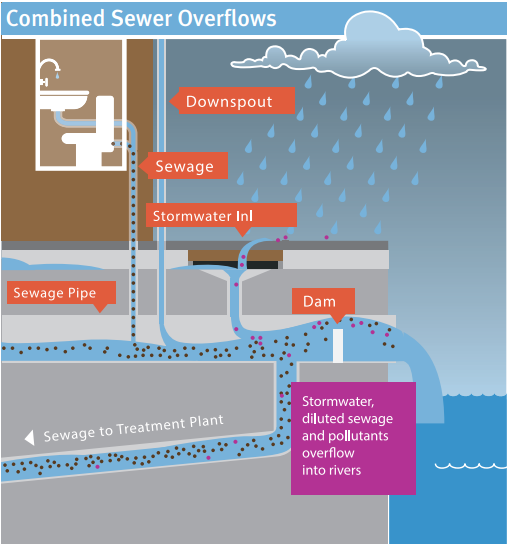
  • In 2011 we launched Green City, Clean Waters, a 25-year plan to reduce the volume of combined sewer system overflows in Philadelphia. See our Green City, Clean Waters page for more information and regulatory documents.

Some figures may change. Please visit the City of Philadelphia’s Investor Information page for the latest official statements.

Jump to Top